Fat Tire Electric Bike Guide: What Really Matters
Here's something most buyers never hear. The widest tire on the shelf isn't always the right one for you.
That surprises people. Fat tires look tough, so shoppers assume bigger is automatically better. The truth has more nuance.
This fat tire electric bike guide clears up the confusion. We'll cover what fat tires actually do, how motor wattage works, and what battery range means in real life. By the end, you'll judge any e-bike on its merits, not its marketing.
What Fat Tires Actually Do
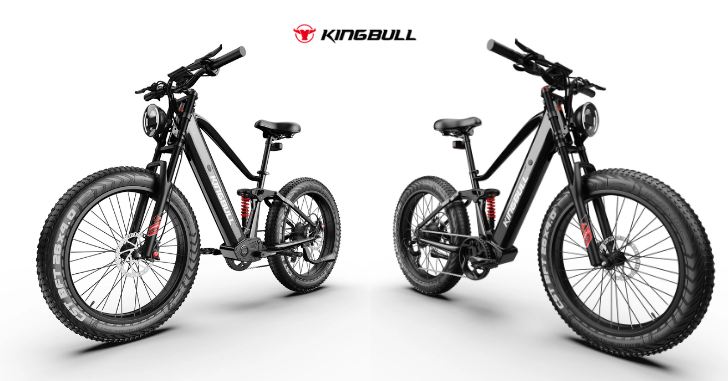
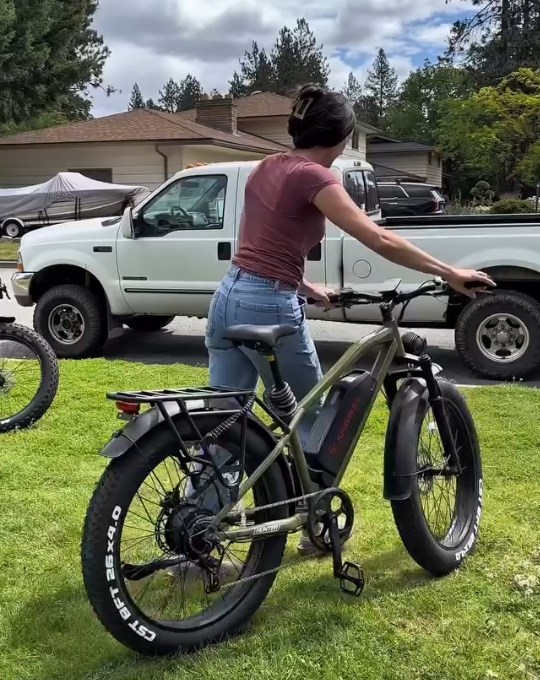
Fat tires usually measure four inches wide or more. That extra width changes how a bike behaves on the ground.
The main benefit is grip. A wider tire spreads your weight across more surface. That helps on sand, snow, gravel, and loose dirt where a skinny tire sinks or slips.
There's a comfort factor too. Fat tires run at lower air pressure, so they absorb bumps like a natural suspension. Rough roads feel smoother, and long rides fatigue you less.
They also add stability. New riders often feel steadier on fat tires because the wide contact patch resists wobble. That confidence matters when you're still learning.
Motor Wattage in Plain Language
Wattage measures how much power the motor can deliver. Most quality fat tire e-bikes use a 750W motor, and there's a reason for that.
Think of watts as muscle. A 750W motor gives you enough torque to climb hills, carry cargo, and push through soft terrain. It handles a fat tire's extra rolling resistance without strain.
Lower-powered motors struggle here. A 250W or 500W motor may feel fine on flat pavement, but it labors on inclines with wide tires. For most riders, 750W hits the sweet spot.
More power isn't always the answer, though. Higher wattage drains the battery faster and adds cost. For everyday riding, 750W usually delivers everything you need.
Understanding Battery Range
Range is where buyers get the most confused. The number on the spec sheet rarely matches real life.
Battery capacity is measured in watt-hours, or Wh. A larger number means more stored energy and, in theory, more miles per charge.
Here's what common capacities mean in practical terms:
- 720Wh: A solid daily range, often up to 55 miles. Great for commutes and errands.
- 864Wh: A step up, reaching up to 80 miles. Good for longer weekend rides.
- 960Wh: The largest tier, also around 80 miles, with extra headroom for demanding terrain.
Remember, those figures are ideal conditions. Your real range depends on rider weight, terrain, wind, and how much pedal assist you use.
Throttle-only riding drains a battery fast. Light pedal assist stretches it far. Two riders on the same bike can see wildly different results.
Three Myths Worth Busting
Fat tire e-bikes attract plenty of misinformation. Let's clear up the big ones.
Myth 1: Fat Tires Are Too Slow
People assume wide tires drag you down. In reality, a 750W motor easily overcomes the extra resistance. Many fat tire e-bikes reach 28 MPH with ease.
Myth 2: More Watts Always Means Better
Higher wattage sounds impressive, but it's not free. It costs more, weighs more, and empties the battery quicker. Match the power to your terrain, not to the biggest number.
Myth 3: Fat Tire E-Bikes Are Only for Off-Road
Wide tires shine on trails, but they work in cities too. The comfort and stability make them excellent commuters on cracked pavement and curbs.
A Simple Spec Evaluation Checklist
When you're comparing e-bikes, work through these steps in order.
- Define your main terrain. City streets, gravel trails, or rugged off-road? This anchors every other choice.
- Confirm the motor power. Look for 750W if you climb hills or ride soft ground.
- Match battery to your distance. Estimate your longest ride, then choose 720Wh or higher.
- Check the tire width. Four inches or more delivers true fat tire grip and comfort.
- Review the brakes. Hydraulic disc brakes offer stronger, more reliable stopping.
- Verify safety certification. UL certification signals tested electrical standards.
- Read the warranty terms. A longer warranty protects your investment over time.
Work top to bottom, and the right bike often reveals itself. Skip a step, and you risk buying on hype.
How These Principles Show Up in Real Models
Theory is helpful, but a real example makes it click. Kingbull's lineup illustrates these ideas well.
Their fat tire models run 750W motors, matching the power principle we covered. The Ranger and Hunter 2.0S pair that with an 864Wh battery for up to 80 miles of listed range.
The Literider 2.0 shows the range tradeoff in action. It uses a 720Wh battery for up to 55 miles, but folds down for storage. That's the terrain-and-lifestyle balance we discussed.
Every model carries a 2-year warranty and UL certification, which map directly to the last checklist steps. It's a useful way to see the specs working together.
Want to see these principles in real bikes?
Explore models with these specs.
Frequently Asked Questions
Are fat tire e-bikes good for beginners?
Yes. The wide tires add stability and grip, which helps new riders feel steady. The lower air pressure also smooths out bumps, making early rides more comfortable and forgiving.
Is a 750W motor enough for an e-bike?
For most riders, yes. A 750W motor handles hills, cargo, and soft terrain with ease. It delivers strong torque without draining the battery as fast as higher-wattage motors.
How many miles can an e-bike go on one charge?
It depends on battery size and riding style. A 720Wh battery may reach 55 miles, while 864Wh can hit 80. Terrain, weight, and pedal assist all affect real range.
Do fat tire e-bikes need more maintenance?
Not significantly. They need occasional tire pressure checks and standard chain and brake care. The wider tires wear slowly, so upkeep stays close to a regular e-bike.
Are fat tires harder to pedal without assist?
Slightly, since they carry more rolling resistance. Without power, you'll feel more effort than on thin tires. With pedal assist active, that difference nearly disappears.
Does tire width affect ride comfort?
Yes, noticeably. Wider tires run at lower pressure and absorb road shock like a suspension. That makes rough surfaces and long rides feel far more comfortable.